Comfort Colors 1566 Mockup Blue Jean 5 Review for Embroidery Projects
As an experienced embroidery designer and product reviewer, I often find myself evaluating machine embroidery designs not just for their visual appeal, but for how they perform in real-world applications. When it comes to Comfort Colors 1566 Mockup Blue Jean 5, there’s a lot to consider before stitching it onto your next custom apparel or handmade item.
First Impressions: Mood and Design Personality
The first thing that stands out about Comfort Colors 1566 Mockup Blue Jean 5 is its bohemian-inspired aesthetic. It has a relaxed, artistic feel with subtle curves and soft lines that give it a laid-back vibe—perfect for casual wear or personalized gifts. The layout is balanced, and the theme suggests it would work well on sweatshirts, tote bags, and other soft goods where a more organic look is desired.
I noticed the design carries a sense of handmade charm even though it's clearly digitized. This makes it versatile for both personal projects and commercial use. The detail level is moderate, which means it won’t overwhelm smaller areas, but still offers enough character to stand out as a premium embroidery project.
Real-Life Use Case: Custom Crewneck Sweatshirt for Boutique Branding
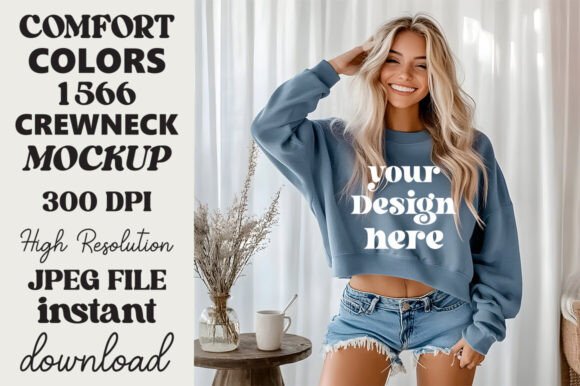
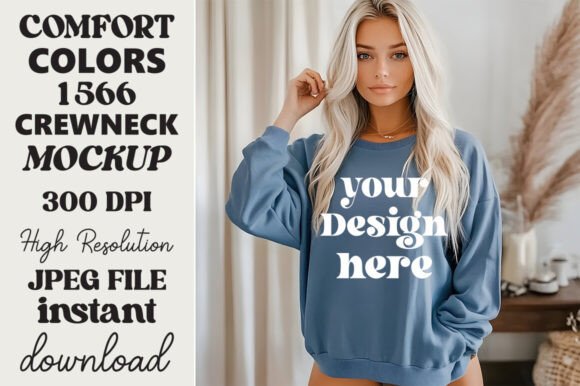
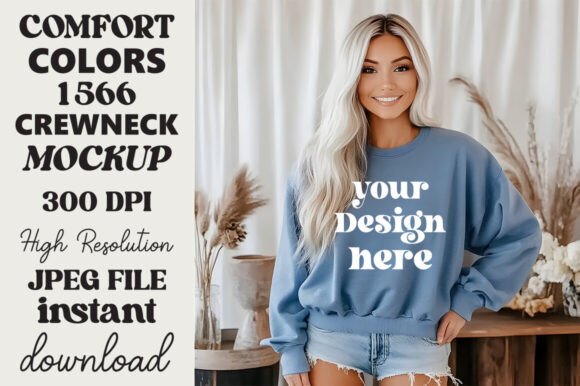
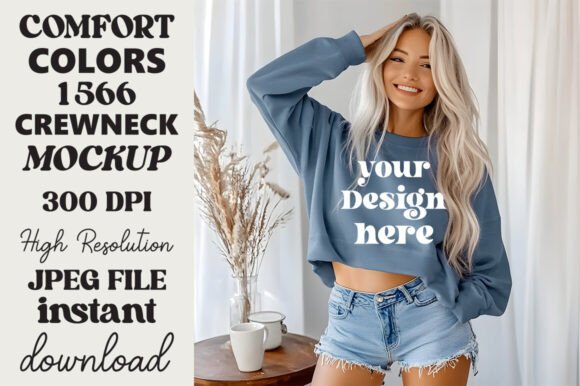
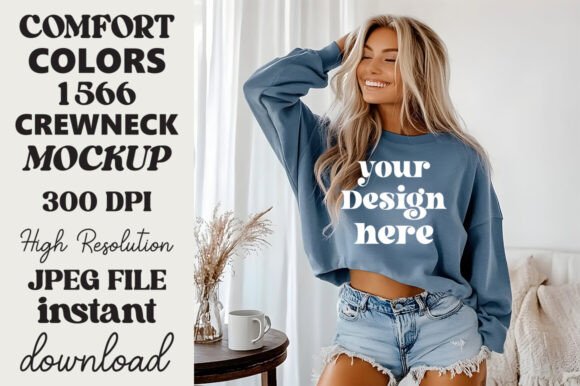
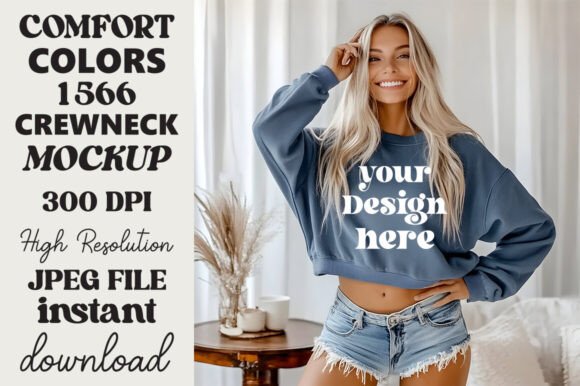
To test this design, I imagined using it for a custom sweatshirt order from a local boutique looking to expand their line with boho crewneck styles. The mockup provided a clear preview of how the design would appear on a real garment. It looked great on a light blue background, which helped highlight the texture and depth of the embroidery without being too overpowering.
In terms of sweatshirt embroidery, the placement was ideal for the chest area. The shape of the design didn’t require any major adjustments, and the stitch count seemed reasonable for the size of the graphic. While I couldn’t verify exact numbers, the overall coverage suggested it would fit comfortably within a standard hoop size. Still, it's always wise to double-check the recommended hoop dimensions before finalizing any project.
Stitch Clarity and Thread Color Contrast
One of the key factors in successful embroidery is thread color contrast. In the case of Comfort Colors 1566 Mockup Blue Jean 5, the default thread colors used in the mockup were well-chosen for visibility against lighter fabrics. However, if you're planning to stitch this onto a darker base, like black or navy blue, you’ll need to adjust the palette accordingly.
I recommend using a mix of white, cream, and soft pastels for dark fabric backgrounds to maintain clarity and prevent the design from blending into the garment. For light fabrics, sticking with the original colors should be fine, but don’t forget to check the stabilizer requirements based on the fabric texture you’re working with.
Where This Design Shines
- Tote Bags: The design has a clean perimeter that works well with satin stitch outlines, making it suitable for embroidered totes. It adds a touch of style without being too bold.
- Baby Clothes: While the boho theme might not be ideal for all baby items, the softer version could be adapted for onesies or hoodies by reducing density and simplifying accents.
- Custom Apparel: Especially for casual wear like sweatshirts or pullovers, this design brings a unique yet wearable element to your handmade products.
- Printable Mockups: If you're an Etsy seller or digital product creator, the mockup included with this design helps showcase the finished product effectively. It gives potential buyers a realistic view of how the embroidery will appear once stitched.
- Holiday Gifts: With some tweaks, such as adding seasonal elements, this design can easily become part of a holiday collection—especially for personalized gifts with names or dates.
Customer Appeal and Brand Consistency
From a craft business perspective, this design supports a consistent brand image if your shop leans toward bohemian or artisanal styles. It looks professional and high-quality when stitched properly, which can significantly boost customer trust and buyer engagement. People shopping for custom apparel or personalized products are often drawn to designs that reflect individuality and creativity—something this one delivers.
Where Caution Is Advised
While the design is appealing and functional in many contexts, there are scenarios where it may not perform as expected:
- Small Hoop Sizes: Due to the moderate complexity and coverage, this design may not scale down well without losing visual impact. Always test on scrap fabric if you plan to reduce the size.
- Textured Fabrics: On materials like canvas or denim, the stitch density may require adjustment to avoid puckering or uneven coverage.
- Stretchy Materials: Garments made from stretchy blends (like cotton/spandex) may distort the design slightly unless proper stabilizers are used.
- Layered Garments: Stitching through multiple layers can cause the design to lose sharpness, especially in detailed areas.
- Curved Surfaces: If you're applying this to caps or curved surfaces, expect some distortion. The flat lay of the mockup doesn’t account for these challenges.
Detailed Corners and Dense Stitch Areas
This design includes several intricate corners and subtle decorative details. While they add visual interest, they also mean extra attention must be paid during the editing phase. I found that adjusting fill stitches in tight corners improved the overall finish. Also, dense stitch areas near the center might benefit from a reduction in stitch density to prevent over-stitching and ensure smooth results after washing.
Practical Designer Notes
- Test on Scrap Fabric First: Before committing to a full production run, always do a trial stitch on a sample piece to see how the design interacts with your specific material and machine.
- Check Thread Color Contrast: Ensure the chosen thread colors pop against the fabric you're using. A simple black-and-white mockup can help determine visibility issues.
- Review Stitch Density: Especially important for thin or stretchy fabrics. Too much density can lead to puckering; too little can make the design look incomplete.
- Confirm Hoop Size: Make sure the design fits comfortably within the intended hoop. If it's close, consider splitting the design or adjusting the layout.
- Inspect Small Details: Look closely at the corners and edges to ensure no tiny elements are lost in translation when transferred to your machine.
- Use Proper Stabilizer: Depending on fabric type, a cutaway or tear-away stabilizer may be necessary to maintain stitch integrity.
- Check Licensing Terms: If you plan to sell the finished product or distribute the digital embroidery file, confirm the licensing allows for commercial use.
Adapting for Commercial and Personal Projects
Comfort Colors 1566 Mockup Blue Jean 5 is a flexible asset for both personal and commercial embroidery projects. For small shop products, it adds value and uniqueness that customers notice. As a product mockup, it helps visualize the final result accurately, which is essential for digital product sellers and Etsy listings.
However, keep in mind that the design isn't overly complex, so it works best for those who want a stylish but not overwhelming graphic. Its simplicity actually makes it a good candidate for embroidered patches or nursery decor where subtlety is key.
Final Thoughts: Realistic Value for Creative Entrepreneurs
Overall, Comfort Colors 1566 Mockup Blue Jean 5 is a solid choice for anyone in the craft business or involved in machine embroidery design. It brings a modern, artistic flair that aligns well with current trends in fashion and personalized products. Whether you're creating a holiday gift, updating your small shop merchandise, or simply experimenting with new design assets, this mockup provides a reliable foundation.
Still, as with any embroidery project, success depends on thoughtful preparation. Adjust the design according to your materials, test it thoroughly, and use the mockup to guide your presentation. When done right, the Blue Jean 5 can elevate your handmade product offerings and help build a recognizable brand identity.