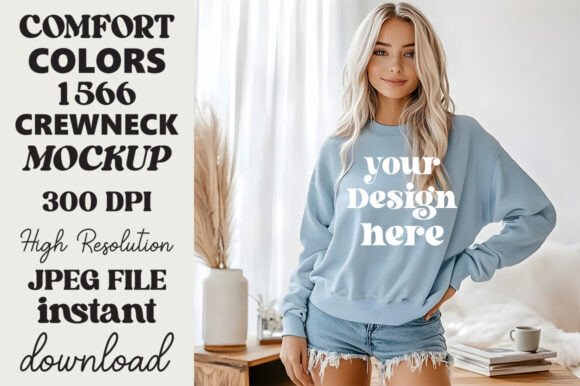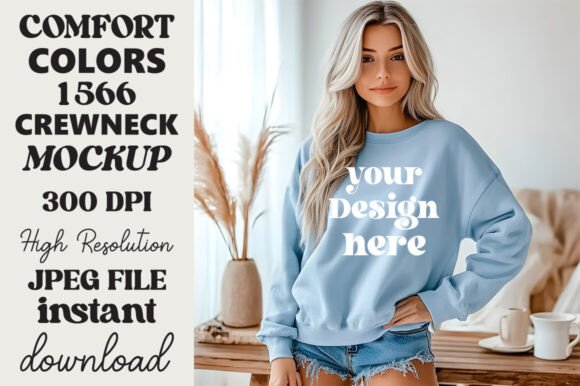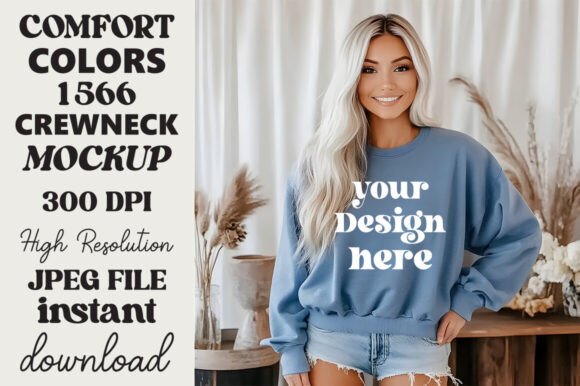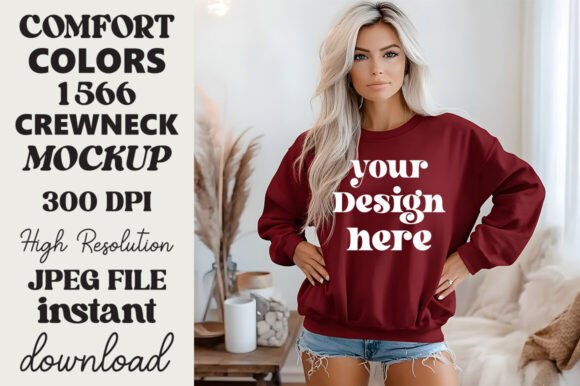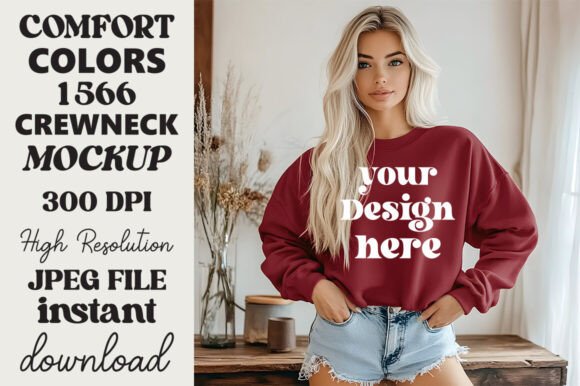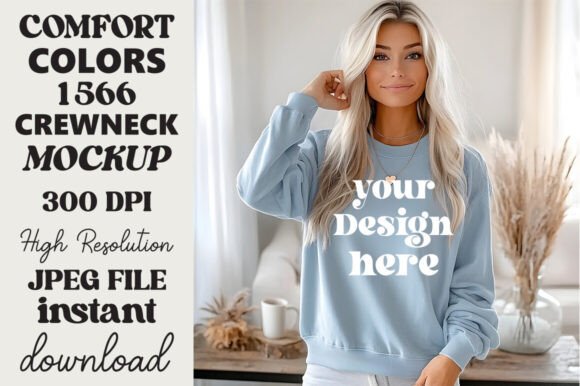
Comfort Colors 1566 Mockup Chambray 2 Review for Real Projects
As an experienced embroidery designer and product reviewer, I always approach a new design with a critical eye—especially when it’s going to be used in real-world applications like custom apparel or handmade gifts. The Comfort Colors 1566 Mockup Chambray 2 caught my attention for its blend of simplicity and style. It’s not just another mockup; it’s a practical tool that helps crafters, Etsy sellers, and small business owners visualize how their embroidered designs will look on finished products.
First Impressions: A Timeless Look with Modern Appeal
The moment I opened the Comfort Colors 1566 Mockup Chambray 2, I was drawn to its soft, neutral tones and clean lines. This mockup gives off a casual, bohemian vibe, making it ideal for projects like crewneck sweatshirts, tote bags, or even baby items. The chambray fabric texture is rendered with enough detail to feel authentic without being overwhelming, which is key when you want to focus on the embroidery itself.
I appreciate how the mockup subtly enhances the design without overpowering it. It doesn’t try too hard—it lets your machine embroidery shine while providing a realistic backdrop that feels true to the brand. If you're working on sweatshirt embroidery or personalized gifts, this mockup brings out the warmth and charm that customers often respond to positively.
Real-Life Performance Across Embroidery Projects
When evaluating how well a mockup translates into actual use, I consider where it fits best. The Chambray 2 works exceptionally well for custom apparel and handmade products. Here are some specific scenarios where I’ve seen it perform admirably:
- Tote Bags: The mockup shows how the design would sit on a larger surface, helping you assess placement and scale before stitching. It’s great for planning holiday gifts or nursery decor.
- Crewneck Sweatshirts: The natural drape and color of the mockup make it perfect for showcasing boho-style or minimalist embroidered patches and applique designs.
- Baby Clothes: The gentle, muted colors work well for baby embroidery, especially if you’re using pastel thread shades. It adds a softness that parents tend to love in personalized items.
- Aprons and Pillow Covers: The mockup allows you to preview how the design might look on everyday wearables, helping you decide whether it complements the garment or clashes visually.
- Printable Mockups: For digital product sellers, this file serves as a reliable base for creating high-quality previews of finished products on your website or social media. It looks professional and can elevate the perceived value of your craft business offerings.
One thing I noticed immediately is how the mockup supports both satiny and fill stitch elements. The lighting and fabric rendering don’t distort the design details, so you get a clear sense of how the final piece will appear once stitched. This makes it useful for planning commercial embroidery projects where presentation matters just as much as quality.
Where Caution Is Needed: Design Limitations to Consider
While the Comfort Colors 1566 Mockup Chambray 2 is versatile, there are certain situations where it may not deliver the best results. Here are a few areas to be mindful of:
- Small Hoop Sizes: If your project involves intricate work in tight spaces, the mockup might not capture the full effect. You’ll need to test it at smaller scales to ensure clarity.
- Textured or Stretchy Fabrics: Though the mockup uses a smooth chambray texture, the design might require adjustments if applied to more challenging materials like fleece, knit, or canvas.
- Dark Fabric Backgrounds: The mockup is optimized for light-colored garments. When applying it to dark backgrounds, the contrast between thread colors could diminish, affecting visibility.
- Dense Stitch Areas: High-density stitches may appear muddied in the mockup due to how the light reflects across the simulated fabric. Always double-check stitch spacing in your software.
- Products That Need Frequent Washing: While the mockup looks great, remember that real-life wear and tear (like washing) can affect how the design holds up over time. Use appropriate stabilizers and test wash resistance on samples first.
Design Notes for Practical Use
Here are some tips I follow when working with the Chambray 2 mockup in my embroidery projects:
- Test on Scrap Fabric: Before committing to a real project, stitch a sample on scrap material that matches your intended fabric. This helps catch issues early.
- Check Thread Color Contrast: Make sure the colors in your design pop against the chambray background. Sometimes, what looks good on screen doesn’t translate well in person.
- Review Stitch Density: Dense fills might need thinning out depending on the fabric you choose. Adjust accordingly to avoid puckering or distortion.
- Confirm Hoop Size: Some parts of the design may require a larger hoop than expected. Don’t assume based on the mockup alone—always verify in your design software.
- Inspect Small Details: If the design includes tiny lettering or decorative accents, zoom in on the mockup to see how they render. These can be tricky to spot in lower resolutions.
- Use Proper Stabilizer: Especially for stretchy or delicate fabrics, using the right type and amount of stabilizer is crucial to maintaining shape and clarity.
- Test in Black and White: To evaluate how well the design works with monochrome thread schemes, switch the mockup to grayscale. This helps identify potential contrast problems.
- Compare Light and Dark Backgrounds: Try placing the same design on both a light and dark version of the mockup to see how it changes in appearance. This is particularly useful for Etsy listings and small shop merchandise.
- Confirm Licensing: If you plan to sell the finished product or offer digital embroidery files, always check the licensing terms of the product mockups to avoid legal issues down the line.
Customer Reactions and Marketability
In my experience, the Comfort Colors 1566 Mockup Chambray 2 tends to resonate well with customers who appreciate understated elegance. It doesn’t scream “bling,” but it does convey a sense of thoughtfulness and care—important traits for handmade product buyers. Whether it's a personalized gift or part of a brand identity, the mockup gives your design a polished, cohesive look that builds customer trust.
For small shop product lines, this mockup helps maintain brand consistency by showing how your embroidery will appear across different items. As someone who regularly creates design assets for multiple clients, I find it invaluable for presenting options in a realistic context. It also boosts buyer engagement because customers can easily imagine the design on their own clothing or household items.
Professional Touches and Creative Freedom
What I admire most about this mockup is how it balances professionalism with creative freedom. It doesn’t limit your imagination but rather supports it by giving you a solid foundation to build from. When I’m designing for craft fairs or printable mockups, knowing that the design will appear clean and consistent across various formats is reassuring.
It’s also worth noting that the Chambray 2 offers flexibility in how you present your work. Whether you’re selling embroidery files or offering custom apparel services, this mockup helps communicate your vision clearly to potential buyers. It’s one of those tools that quietly elevates your embroidery project from “good” to “great.”
Final Thoughts for Designers and Makers
Embroidery is as much about the visual outcome as it is about the technical execution. The Comfort Colors 1566 Mockup Chambray 2 is a valuable asset for anyone looking to present their work professionally. However, it’s important to treat it as a guide—not a guarantee. Every fabric, machine, and setting affects the final result, so always take the time to test and adjust before moving forward with client work or commercial sales.
If you’re an apparel decorator, creative entrepreneur, or hobbyist maker, this mockup is a smart addition to your toolkit. Just remember to pair it with thoughtful design choices and thorough testing. With the right preparation, you’ll be able to create finished products that are not only beautiful but also functional and trustworthy.