Farmer with Windmill Illustration Review for Embroidery Projects
As an embroidery designer and product reviewer who’s worked with countless illustrations for real-world applications, I always approach a new design with a practical mindset. The Farmer with Windmill Illustration caught my attention for its nostalgic charm and bold simplicity. Let me walk you through how it stacks up when it comes to actual embroidery use—what works well, what might need extra care, and where it truly shines.
First Impressions: A Classic Western Silhouette
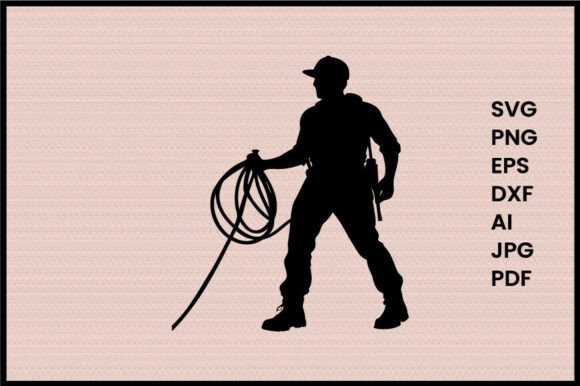
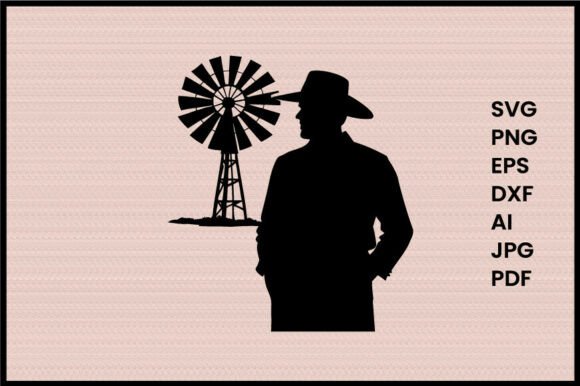
The Farmer with Windmill Illustration presents a silhouette of a cowboy standing near a windmill, gazing out over the land. It's a simple but evocative image that instantly brings to mind wide open spaces, rustic charm, and Americana themes. The clean lines and minimal detail give it a timeless feel, making it versatile for both vintage-inspired and modern designs.
From a design standpoint, the layout is balanced and symmetrical, which is a big plus for embroidery. The central figure of the farmer is framed by the windmill in the background, creating a natural focal point. The lack of intricate details makes this illustration ideal for projects where stitch clarity and visual impact are key.
Mood and Theme
This illustration radiates a sense of calm observation and rugged independence. It's not overly dramatic or complex, but it tells a story. That kind of mood can resonate well with customers looking for personalized gifts, handmade apparel, or boutique-style products. Think along the lines of custom sweatshirts for a western-themed nursery, or embroidered patches for a farm-to-table restaurant’s branding.
Real-Life Embroidery Use: What Works Well
Let’s get into the nitty-gritty of using this design on actual products. Based on the description, it seems like it's a digital embroidery file intended for print or stitch. Here are some scenarios where it performs admirably:
- Tote bag design: The silhouette format is perfect for tote bags, especially if you're aiming for a minimalist look. The windmill and farmer create a strong visual without overwhelming the fabric.
- Sweatshirt embroidery: For a large-format design on a hoodie or sweatshirt, the Farmer with Windmill Illustration has enough character to stand out while remaining subtle enough to blend into casual wear.
- Baby clothes and nursery decor: The soft, stylized nature of the illustration could be reimagined as a gentle, dreamy motif. With the right thread colors and stabilizer, it could work beautifully on cotton onesies or embroidered pillow covers.
- Embroidered patch: As an applique design, the silhouette format allows for clear shapes and good coverage. This would make for a great decorative patch on denim jackets, canvas backpacks, or even leather aprons.
- Tea towels and kitchen textiles: Because of its graphic style, this design could also function as a fill stitch or satin stitch pattern on linen or cotton tea towels. It adds personality without being too busy.
- Etsy listings and handmade products: The Farmer with Windmill Illustration feels authentic and handcrafted. It’s the kind of design that Etsy buyers love—especially when paired with organic, earthy color palettes or muted tones.
One thing I appreciate about this design is its adaptability. Whether you’re working with machine embroidery or planning to print it digitally, there's room for creativity. It doesn’t demand a specific aesthetic; instead, it invites you to build around it with your own color choices, fonts, and embellishments.
Where to Use It Carefully
While the Farmer with Windmill Illustration is a solid choice for many projects, there are situations where it might not perform as expected. Here are a few things to keep in mind:
- Small hoop sizes: If you plan to use this on something like a cap or small patch, you may need to scale it down significantly. In doing so, some of the visual impact might be lost, especially if the windmill becomes too tiny to recognize.
- Textured or stretchy fabrics: The design relies on clear outlines and smooth surfaces to maintain its shape and definition. On flannel, knit, or felt, you may need to adjust stitch density or stabilize carefully.
- Dark fabric backgrounds: Since it’s a silhouette, the contrast between the design and the fabric is crucial. If stitched on black or dark-colored materials, the result might not pop as intended. Test on scrap fabric first.
- Products that require frequent washing: Dense stitching areas (if present) may pill or distort over time, especially on baby items or everyday wear. Look at the stitch count and density before committing to such uses.
If you're thinking of using it on curved surfaces like caps or hats, be sure to confirm whether the file includes seam allowances or adjustments for curvature. Without those, the final product might appear stretched or misaligned.
Design Impact and Customer Reception
When considering the visual appeal of the Farmer with Windmill Illustration, it’s important to think beyond just the design itself. How will it interact with the finished product? Will it enhance the brand identity or add value as a personalized gift?
In my experience, silhouettes tend to have a strong emotional pull—they tell stories with less visual clutter. This illustration could become a signature element in a line of handmade products or a recurring motif in nursery decor. Its simplicity supports brand consistency and makes it easy to recognize across different items.
On custom apparel, it gives off a laid-back, artistic vibe. Customers often respond positively to designs that feel intentional and meaningful rather than mass-produced. That said, it's not a flashy design, so it might not attract attention in crowded marketplaces unless paired with a compelling story or unique presentation.
Giftability and Market Fit
I see this design fitting well into holiday gifts, wedding favors, or personalized items for people who enjoy western, rural, or farm-themed aesthetics. When stitched onto a sweatshirt or tote bag, it can elevate the perceived value of the item simply by having a thoughtful, cohesive look.
For craft business owners and small shop product developers, this is a safe bet for creating a range of coordinated goods. But for high-volume commercial embroidery, ensure that the design holds up after repeated production runs and meets all licensing requirements if you intend to sell the finished items.
Designer Notes: Making It Work for You
Before diving into any embroidery project, here are some steps I recommend taking when working with the Farmer with Windmill Illustration:
- Test on scrap fabric: Especially if you're using it on something like a pillow cover or apparel decorator project, seeing how it looks and stitches on actual material is key.
- Check thread color contrast: Silhouettes rely heavily on the background and foreground colors. Experiment with thread shades to find the best visual balance.
- Review stitch density: Depending on your machine and fabric type, adjusting the stitch density can help prevent puckering or distortion.
- Confirm hoop size: While the product description doesn’t specify, knowing the required hoop size is essential for avoiding scaling issues or misalignment.
- Inspect small details: Even though it’s a silhouette, check if there are any fine elements that might be challenging on certain materials.
- Use proper stabilizer: Thin or stretchy fabrics may need more support. Try cut-away or tear-away stabilizers depending on the garment’s structure.
- Check licensing terms: If you're selling the finished embroidered patch or digital embroidery file, verify the license allows for commercial use. Avoid legal pitfalls by confirming this upfront.
Mockups and Previews
For digital product sellers or Etsy sellers, consider creating printable mockups to showcase the design on different items. This helps buyers visualize how the illustration graphics will look on their chosen product. A good printable mockup can boost buyer engagement and reduce returns due to mismatched expectations.
Final Thoughts from a Designer’s Perspective
The Farmer with Windmill Illustration isn’t just another graphic—it’s a design with character and purpose. Its strength lies in its ability to convey a mood without relying on hyper-detailed imagery. As an embroidery project, it’s suitable for a variety of applications, but it requires thoughtful consideration of fabric, placement, and overall aesthetic.
If you're looking for a design that can be used across multiple formats—whether as an applique design, fill stitch, or running stitch—this one offers flexibility. Just don’t overlook the importance of testing it on your preferred materials and ensuring it aligns with your brand or customer base.
For hobbyists and creative entrepreneurs, this illustration is a great addition to your design library. It’s not flashy, but it’s memorable. And in the world of handmade products and personalized gifts, memorability is everything.