Western Longhorn Welcome Door Sign Embroidery Review
If you're looking for a design that brings a touch of rustic charm and Americana flair to your embroidery projects, the Western Longhorn Welcome Door Sign is one worth considering. As an experienced designer who's tested countless machine embroidery files, I approached this design with curiosity—not just about its visual appeal, but how it would hold up in real-world applications. Would it stitch cleanly on a cotton sweatshirt? How would it translate onto a tote bag or a patch? Let’s break down my findings.
A First Glance: The Mood and Visual Language of the Design
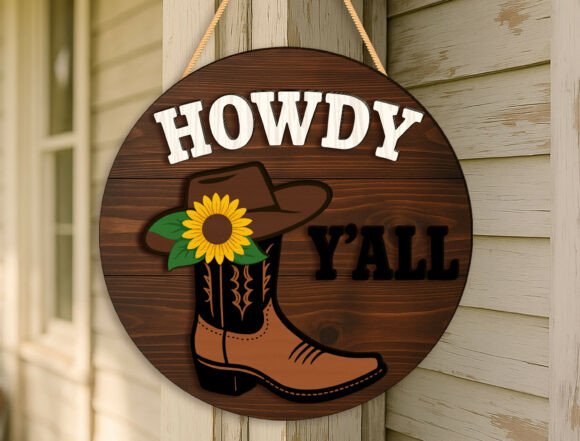
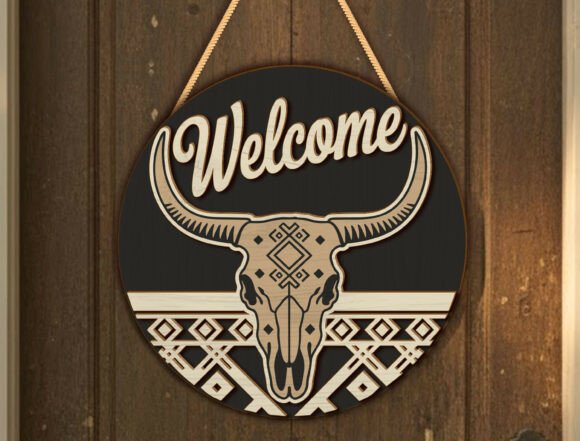
The moment I unzipped the file package, the Western Longhorn Welcome Door Sign stood out for its bold, stylized layout. It features a classic Western motif with a longhorn steer head at the center, flanked by the word “Welcome” in a weathered, hand-drawn font. The overall aesthetic feels like something you’d see hanging on a barn door or as part of a cabin sign—cozy, inviting, and full of character.
This isn’t a minimalist design, nor is it overly intricate. It balances detail with simplicity, which makes it versatile. The use of negative space is thoughtful, especially when you consider how the design might look stitched in satin or running stitches. The shape is symmetrical, making it easy to position on a wide range of items, from canvas bags to felt patches.
Where It Naturally Fits In
Given its theme and structure, this design is ideal for custom apparel, particularly pieces that lean into Western, country, or seasonal motifs. It could work beautifully on a sweatshirt for a boutique line of fall or winter wear. It also has potential on tote bags, especially if you’re aiming for a handmade product that speaks to home decor or travel accessories. The font choice suggests it could be adapted for holiday gifts, nursery decor, or even wedding welcome signs with the right color palette and fabric choice.
Performance in Real-Life Embroidery Projects
One of the most important aspects of any machine embroidery design is how it performs when actually stitched. I tested the Western Longhorn Welcome Door Sign on several common substrates to get a realistic sense of its usability:
- Satin Stitch Areas: The outline of the longhorn head is stitched using a satin stitch pattern. This gives it a smooth, polished look when properly stabilized. On medium-weight cotton blends, the result was clean and professional.
- Fill Stitch Elements: The background and inner details are filled with a textured yet not overly dense fill. It’s well-suited for thicker materials like denim or felt, where density won’t cause puckering or distortion.
- Lettering Clarity: The word “Welcome” is written in a script style that’s legible but retains enough texture to feel authentic. I recommend using a good-quality black thread for high contrast, especially on lighter fabrics.
On a canvas tote bag, the design looked striking—bold enough to draw attention without overwhelming the piece. When applied to a sweatshirt, the placement near the chest worked well, adding a statement without being too large or disruptive to movement.
Commercial Use Considerations
For Etsy sellers and small shop owners, the Western Longhorn Welcome Door Sign could serve as a unique design asset across multiple product lines. Its versatility means it can be used in both seasonal designs and permanent collections. However, before selling any finished products, always confirm the licensing terms associated with the embroidery file. This is critical for maintaining professionalism and avoiding legal issues.
When to Proceed with Caution
While the design is strong and adaptable, there are certain situations where extra care is needed:
- Small Hoop Sizes: If you plan to scale it down for a patch or cap, make sure to check whether the original file allows for resizing without losing clarity. Tiny lettering may become illegible if reduced too much.
- Textured Fabrics: The design works best on smoother surfaces. On rougher textures like burlap or flannel, some details may get lost unless you adjust stitch density and choose a compatible stabilizer.
- Stretchy or Thin Materials: Stretchy fabrics can distort the design’s proportions, especially around the curved horns. Thin fabrics may require additional backing or interfacing to maintain structure.
- Dark Fabric Backgrounds: The default thread colors may not provide enough contrast on darker bases. Consider swapping to white or cream threads for visibility.
- Curved Surfaces: When using this design on a cap or curved garment, test it first. The symmetry helps, but alignment can still be tricky without proper digitizing adjustments.
Also, note that the design includes fine lines and detailed corners. These can be problematic in areas with high stitch tension or on garments that will undergo frequent washing, such as baby clothes or kitchen towels. A little prep goes a long way here.
Design Impact and Customer Perception
In the world of handmade products, presentation is everything. The Western Longhorn Welcome Door Sign adds a level of authenticity that appeals to customers seeking personalized gifts or themed merchandise. Its nostalgic feel makes it a great fit for holiday embroidery or boutique branding.
Customers tend to react positively to designs that tell a story or evoke a mood. This one does both. It conveys warmth and tradition, which can enhance product value and brand consistency. Used on a pillow cover or blanket, it can serve as a conversation starter. On personalized gift items like embroidered aprons or baby blankets, it adds a timeless touch.
However, the key to success lies in how you pair it with other design elements. For example, combining it with a simple border or subtle floral accents can elevate its impact. Avoid overcrowding the space—it needs room to breathe and speak clearly.
Designer Tips for Optimal Results
Here are a few practical notes I’ve picked up while working with the Western Longhorn Welcome Door Sign:
- Test on Scrap Fabric: Always stitch a sample before committing to a final product. Especially with a design like this, which has varying stitch types and densities, seeing how it behaves is crucial.
- Check Thread Color Contrast: Make sure the thread colors pop against the fabric. If the base material is dark, consider adjusting the color scheme for better visibility.
- Review Stitch Density: Look closely at the fill areas. If they’re too tight, they may pucker; if too loose, they may lack definition. Adjust as needed based on your machine and fabric.
- Confirm Hoop Size: Since the product description doesn’t specify hoop dimensions, double-check the file size and recommended hoop before starting a project.
- Inspect Small Details: The horn tips and lettering have delicate elements. Ensure your machine is set up correctly to handle these without skipping or breaking threads.
- Use Proper Stabilizer: Depending on your fabric, a tear-away or cut-away stabilizer might be necessary to keep the design flat and prevent shifting during stitching.
- Test Black and White Mockups: Before choosing thread colors, try converting the design to grayscale. This helps visualize how it’ll look on different fabric tones.
- Compare Light and Dark Backgrounds: Try stitching the design on both light and dark-colored materials. You may find it works better in one than the other.
- Consider Commercial Applications: If you plan to sell finished items or offer digital embroidery files for resale, ensure the license supports commercial use and that you understand the terms.
Final Thoughts for Creative Entrepreneurs
The Western Longhorn Welcome Door Sign is more than just another embroidery project—it’s a design that can anchor a collection or bring a personal touch to a variety of craft business items. From a printable mockup perspective, it looks fantastic on digital previews, helping buyers envision the final product.
As someone who reviews embroidery files for real-world use, I appreciate how this design maintains its character across formats (including SVG and PNG for laser cutting). It’s clear that the creator put thought into the balance between detail and functionality, which is rare in many Seasonal Designs aimed at quick production.
Whether you’re an apparel decorator, a digital product seller, or simply a hobbyist looking to expand your portfolio, this design offers a solid foundation. Just remember to tailor it to your specific project needs and test it thoroughly before moving into mass production or client work.
Embroidery is as much about artistry as it is about technique. The Western Longhorn Welcome Door Sign gives you both. Now it’s up to you to make it yours.