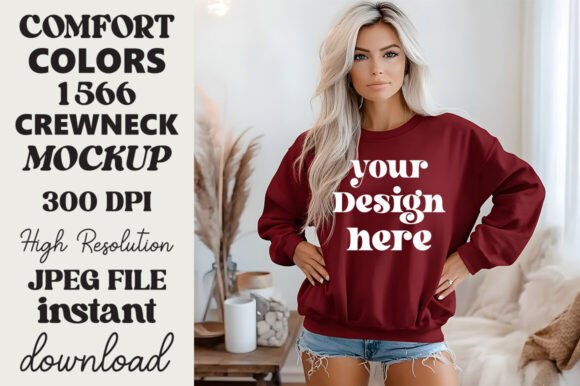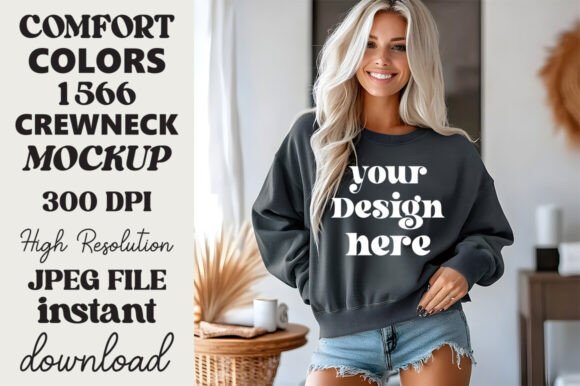
Comfort Colors 1566 Mockup Pepper 24 Review for Real Projects
As an experienced embroidery designer and product reviewer, I always look for mockups that not only showcase a design well but also reflect how it will perform in real-world stitching. The Comfort Colors 1566 Mockup Pepper 24 caught my attention because of its clean layout and the way it simulates embroidered products on a sweatshirt. This is more than just a digital image—it's a practical tool for visualizing how your custom work will appear on a finished item.
First Impressions: A Boho-Ready Design with Personality
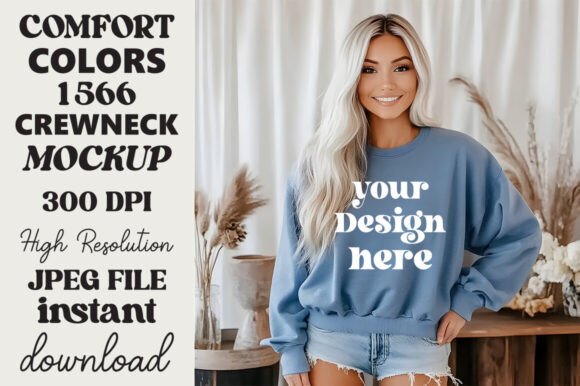
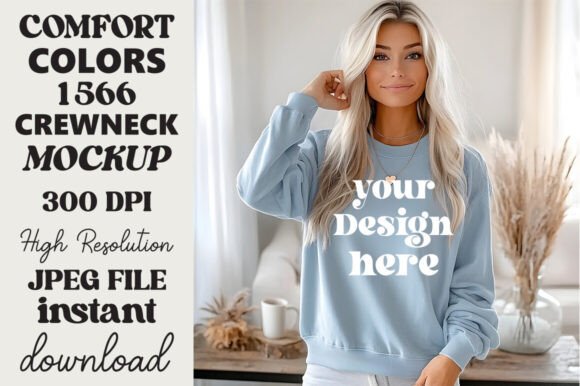
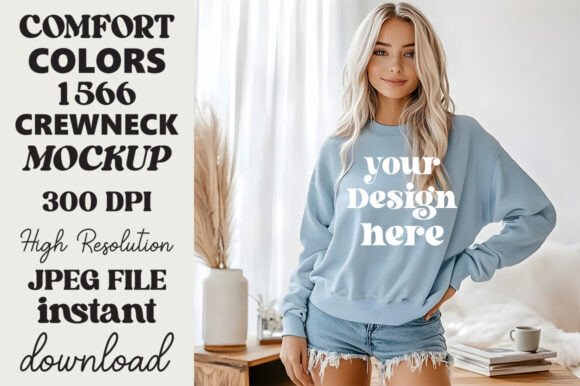
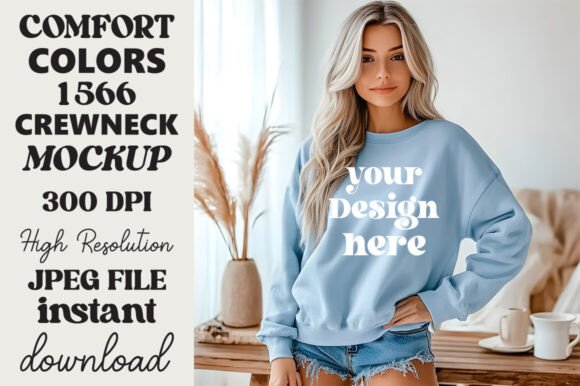
The first thing I noticed about Comfort Colors 1566 Mockup Pepper 24 is its mood. It feels effortlessly casual yet stylish, which makes it perfect for a range of handmade and commercial projects. The mockup presents a crewneck sweatshirt (C1566) in a soft, neutral tone—ideal for showing off colorful or contrasting embroidery files. The layout is centered around the chest area, which is where most custom apparel designs are placed for visibility and impact.
Visually, the design has a balanced composition. The placement of the mockup allows for creative freedom without overwhelming the garment. Whether you're planning to add a minimalist logo or a detailed satiny floral motif, this mockup gives you a realistic sense of scale and positioning. The texture simulation isn't overly dramatic, which is great for maintaining the integrity of your original design while still giving a tactile feel.
What Kind of Project Does It Belong To?
- Sweatshirt embroidery for boutique branding or personalized gifts
- Baby items like onesies or hoodies with subtle, elegant embroidery
- Tote bag design previews for Etsy sellers or craft fairs
- Custom holiday gifts such as monogrammed pillows or aprons
- Commercial embroidery samples for shop owners considering new design assets
I see this mockup fitting best into a project that blends comfort and style—like creating a line of cozy, handmade products for fall or winter. It’s especially useful if you’re targeting a bohemian or laid-back aesthetic, as the C1566 crewneck already carries that vibe, and the mockup enhances it with natural lighting and fabric shadows.
Real-Life Performance in Embroidery Work
When evaluating a mockup for real use, I consider how it translates from screen to stitch. With the Comfort Colors 1566 Mockup Pepper 24, I was able to visualize how my design would sit on the actual garment. The lighting and shadow effects help me assess whether the thread colors I’ve chosen will pop or blend inappropriately.
This mockup is versatile enough to preview designs for various uses:
- Custom apparel: Great for showing logos, names, or simple graphics on sweatshirts or t-shirts.
- Embroidered patches: Especially when designing for transfer to another surface later, the mockup helps judge proportions.
- Holiday gifts: Think personalized stockings, gift bags, or festive pillow covers.
- Nursery decor: Soft tones and realistic textures let you see how pastel or bold embroidery might stand out.
- Digital embroidery file previews: Perfect for sharing with clients or customers before final production.
One standout feature is how the mockup handles layered elements. If your design includes multiple layers of fill stitch or intricate running stitch details, the rendering here shows depth and dimension without overcomplicating the visuals. This is crucial for Etsy sellers who want their listings to look professional and trustworthy.
Where to Use It Carefully
While the mockup is impressively realistic, there are a few situations where you might need to adjust your expectations or approach:
- Small hoop sizes: The mockup doesn’t show how smaller areas may compress the design visually or physically after stitching.
- Textured fabrics: If you plan to embroider on denim, canvas, or flannel, the mockup may not accurately represent how stitches interact with those surfaces.
- Thin or stretchy fabric: Designs with tight stitch density can pucker or distort on less stable materials.
- Dark fabric backgrounds: You’ll want to test thread color contrast separately, as some hues may lose visibility on darker bases.
- Products needing frequent washing: The mockup doesn’t simulate long-term wear or fading, so always do a trial run with your design on similar fabric.
If your project involves curved surfaces, such as cap embroidery, or requires high precision in corners or tiny lettering, be sure to verify how the design looks when scaled down. The mockup gives a good idea, but physical testing is key for accuracy.
Visual Appeal and Customer Reaction
From a customer perspective, the Comfort Colors 1566 Mockup Pepper 24 does a solid job of making your machine embroidery design look polished and ready-to-wear. It builds trust by showing what the finished product could look like, which is essential for craft business owners and online retailers.
For personalized gifts, the mockup adds a layer of realism that helps buyers imagine the final result. It can make a difference in buyer engagement, especially for items like baby clothes or holiday-themed embroidered patches. The mockup supports brand consistency too—whether you're using it for a small shop product or part of a larger collection.
However, don’t rely solely on the mockup for decision-making. Always test it in both black and white and on light and dark backgrounds to ensure your design remains legible and attractive across different contexts. For commercial embroidery, this step is non-negotiable.
Design Notes for Embroidery Success
Here are some practical tips based on my experience using the Comfort Colors 1566 Mockup Pepper 24:
- Test on scrap fabric first—especially if you’re using a new stabilizer or working with delicate threads.
- Check thread colors against the fabric background. Sometimes a vibrant hue looks flat in the mockup but stands out beautifully in person.
- Review stitch density settings. Dense areas can cause puckering or distortion if not adjusted properly for the material.
- Confirm hoop size requirements. If your design needs a larger hoop than the mockup suggests, it could affect placement or overall quality.
- Inspect small details in the design. Mockups can sometimes smooth out imperfections that become noticeable after stitching.
- Use the mockup as a guide, not a guarantee. Fabric texture and machine settings play a big role in the final outcome.
- Always check licensing terms before selling digital product previews or commercial embroidery items. Without proper rights, even a beautiful design can lead to legal issues.
For product mockups in general, it's important to remember that they are tools—not replacements for physical testing. But when done right, they can elevate your handmade presentation and increase buyer confidence.
Final Thoughts on Practical Use
In summary, the Comfort Colors 1566 Mockup Pepper 24 is a reliable and aesthetically pleasing option for visualizing your embroidery on a crewneck sweatshirt. It works particularly well for boho-style designs, personalization projects, and small-batch runs where visual accuracy matters.
Whether you're an embroidery designer looking to build a portfolio, a creative entrepreneur preparing for a craft fair, or an Etsy seller wanting to create compelling listings, this mockup offers a clear view of how your design assets will translate onto real garments.
Still, always take time to test your embroidery project in real conditions. Use the mockup as a starting point, then refine based on your own samples and client feedback. That’s how you turn a good design into a professional, giftable, recognizable product.